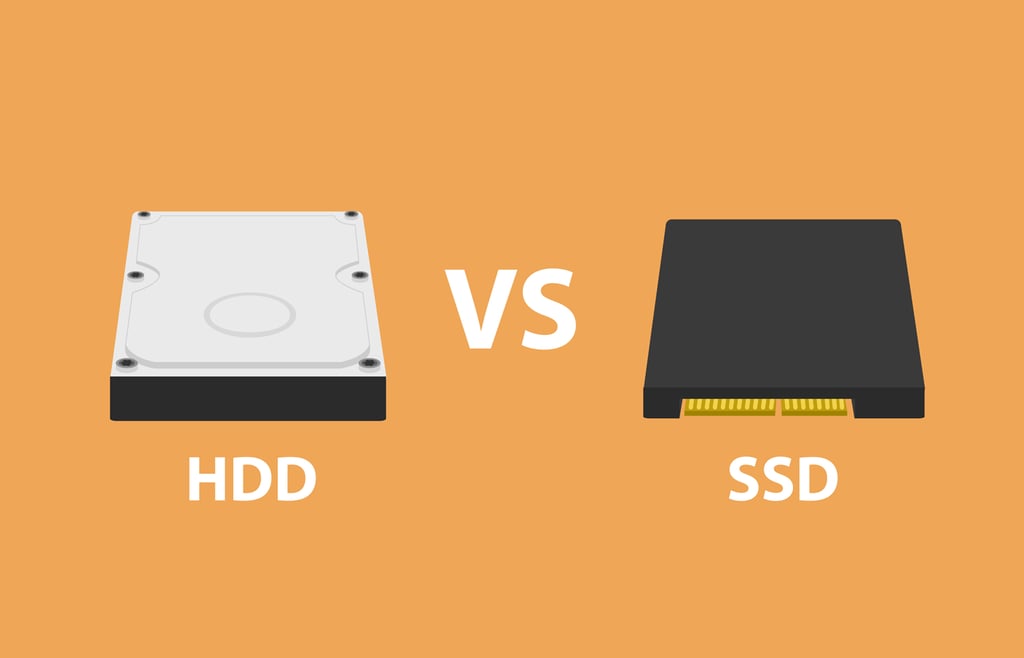
HP (NYSE: HPQ) will soon join the list of companies offering flash-based solid state storage technology, joining the likes of EMC (NYSE: EMC), IBM (NYSE: IBM) and Sun (NASDAQ: JAVA). Jieming Zhu, distinguished technologist at HP StorageWorks, said HP will announce plans for SSDs in its storage arrays “soon,” but he offered no timetable for […]
HP (NYSE: HPQ) will soon join the list of companies offering flash-based solid state storage technology, joining the likes of EMC (NYSE: EMC), IBM (NYSE: IBM) and Sun (NASDAQ: JAVA).
Jieming Zhu, distinguished technologist at HP StorageWorks, said HP will announce plans for SSDs in its storage arrays “soon,” but he offered no timetable for the announcement.
While SSDs cost as much as 10 times more than hard disk drives, they offer much greater performance for essential applications, along with energy savings and a rugged build, and prices are dropping rapidly, said Zhu. Despite all the advancements in HDD technology, “latency hasn’t improved all that much,” he said.
SSDs “will have a profound impact on the architecture eventually,” Zhu said.
That said, NAND flash technology has its limitations, Zhu noted. While it’s not much of an issue in consumer devices, the limited number of writes requires a new layer of software and wear leveling for enterprise use, which adds another layer of complexity.
While NAND has its limitations, including density, Zhu expects it to continue to evolve and be the flash technology of choice for some time to come. “Memory technology takes a long time to evolve,” he said.
Eventually he sees other non-volatile RAM (NVRAM) technologies evolving to replace NAND, including phase-change RAM, spin torque RAM and HP’s own memristor technology.
“For the time being, NAND will be adequate and will continue to evolve, but beyond 30 nm technology, we need to look for an alternative,” he said.
Flash technology will also eventually require operating system-level changes in areas such as file systems and memory management, but “the OS guys are looking into that,” he said.
Even Intel (NASDAQ: INTC) is getting into solid state technology, announcing enterprise-class drives just last week.
eSecurity Editor Paul Shread has covered nearly every aspect of enterprise technology in his 20+ years in IT journalism, including an award-winning series on software-defined data centers. He wrote a column on small business technology for Time.com, and covered financial markets for 10 years, from the dot-com boom and bust to the 2007-2009 financial crisis. He holds a market analyst certification.

Enterprise Storage Forum offers practical information on data storage and protection from several different perspectives: hardware, software, on-premises services and cloud services. It also includes storage security and deep looks into various storage technologies, including object storage and modern parallel file systems. ESF is an ideal website for enterprise storage admins, CTOs and storage architects to reference in order to stay informed about the latest products, services and trends in the storage industry.
Property of TechnologyAdvice. © 2026 TechnologyAdvice. All Rights Reserved
Advertiser Disclosure: Some of the products that appear on this site are from companies from which TechnologyAdvice receives compensation. This compensation may impact how and where products appear on this site including, for example, the order in which they appear. TechnologyAdvice does not include all companies or all types of products available in the marketplace.