PCIe Solid State Drives connect to computers using a PCIe interface, offering faster speeds and other benefits.


PCIe SSDs—solid state drives that connect to computer motherboards using the Peripheral Component Interconnect Express standard, or PCIe—offer improved speeds over drives connected using traditional serial AT attachment (SATA) interfaces. These connection standards allow computers to make the most of the faster performance SSDs offer over mechanical hard drives. Here’s a closer look at how they work.
PCIe is a widely used standard that allows peripherals and components—including solid state drives—to communicate with a computer’s central processing unit (CPU). The latest version, PCIe 6.0, offers the best performance yet. Though it is not widely available, it promises to meet the increased demand for faster, more efficient data storage and transfer by reducing latency, doubling speed and bandwidth, and reducing boot and processing times.
High-performance motherboards are built with PCIe slots that can be used to add peripheral devices, including SSDs. PCIe slots come in different physical configurations based upon the number of “lanes” they provide for data to travel over:
PCIe slots are made up of two facets, mechanical cards and electrical (lanes). In practice, this means a slot might be x16 mechanical but only x8 electrical. Even though it can physically hold 16 PCIe cards, it can only support eight lanes, resulting in reduced performance.
PCI is a much older standard that predated PCIe. PCI slots are generally longer than PCIe slots, but run at a much slower speed. In the PCI standard, all devices share the same parallel bus, while the PCIe internal architecture more closely resembles a local area network with each link connected to a central switch in the computer.
Even the slowest PCIe version is significantly faster than the maximum PCI bandwidth of 532 MBps. Besides speed, PCIe also offers advanced error detection and reporting and the ability to hot-swap devices so that they can be inserted and detected without the need to reboot the system.
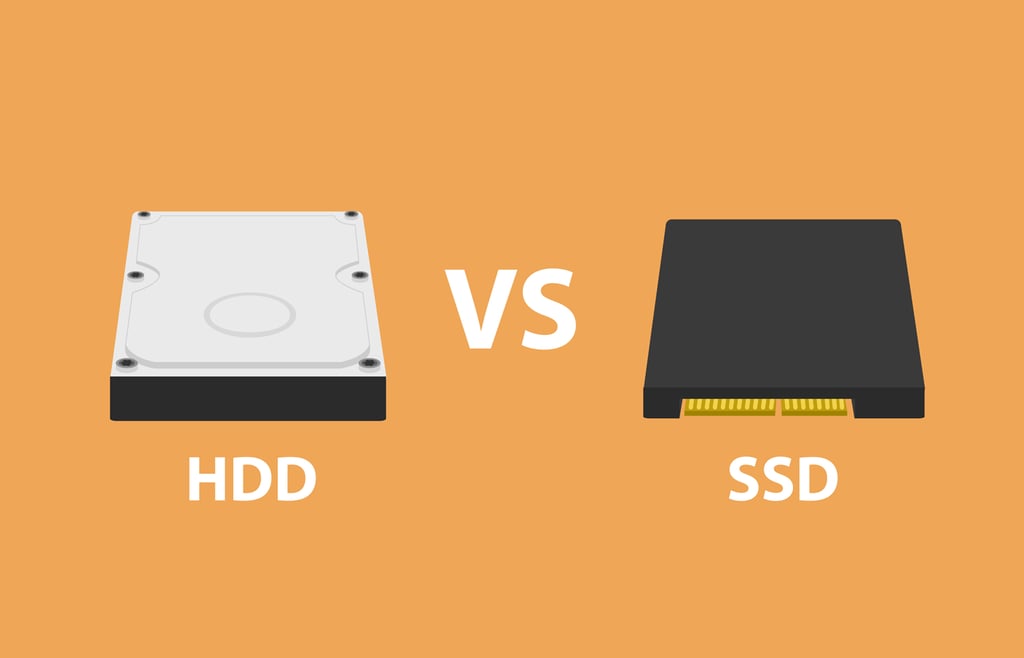
When shopping for SSDs, the choice often comes down to PCIe vs SATA. The key benefit of PCIe is the huge performance boost it provides over SATA drives—especially with the advent of non-volatile memory express (NVMe) PCIe solid state drives, which are even faster. NVMe is a host-controller interface specification that uses the PCIe bus to connect SSDs to computers, boosting speed and reducing latency.
SATA drives cost less than PCIe SSDs, and offer some other advantages for certain use cases:
Learn more about PCIe NVMe vs. other SSDs.
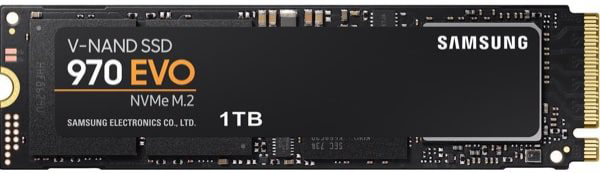
PCIe SSDs come in a variety of shapes and sizes, including the following:
Released in January 2022, but not yet widely available, PCIe 6.0 sets a new benchmark for data transfer rates—64 GT/s per lane, double the capacity of PCIe 5.0. The jump in speed means PCIe 6.0 will be instrumental in the development of technology for autonomous vehicles, edge computing, and the advanced machine learning algorithms integral to countless applications, systems, and processes.
PCIe 6.0 maximizes data throughput by using pulse-amplitude modulation (PAM4) encoding, allowing for increased data density and efficiency. Other benefits include:
Though not as fast as 6.0, PCIe 5.0 is significantly more robust in terms of data transfer speeds than prior generations. With a bandwidth of 32 GT/s per lane, it effectively doubles the throughput compared to PCIe 4.0 and PCIe 3.0, which are both still in widespread use.
PCIe 5.0 offers significant technology advancements, supporting applications like real-time 8K video processing, complex artificial intelligence (AI) algorithms and immersive virtual reality (VR). It is frequently used in environments within data centers, scientific research facilities and other areas where high performance computing is required. Other benefits include.
PCIe 7.0 is expected to debut in 2025.
Learn more about PCIe 5.0.
Solid state drives offer improved performance over more traditional mechanical hard disk drives, and those using the PCIe standard are faster than their counterparts that rely on the SATA standard. The latest PCIe SSDs that benefit from NVMe technology are even faster still. While that improved performance comes at a higher cost, and may require some trade-offs around compatibility and power efficiency, buyers looking to build or update systems with the fastest speeds available should take advantage of PCIe technology.
Sarah Bricker Hunt covers wide-ranging topics for various audiences, including tech-focused features on data privacy, telecom, corporate and consumer technology trends, and more. Hunt's work is frequently featured in print publications, B2B and B2C trade journals, and numerous high-profile websites.

Enterprise Storage Forum offers practical information on data storage and protection from several different perspectives: hardware, software, on-premises services and cloud services. It also includes storage security and deep looks into various storage technologies, including object storage and modern parallel file systems. ESF is an ideal website for enterprise storage admins, CTOs and storage architects to reference in order to stay informed about the latest products, services and trends in the storage industry.
Property of TechnologyAdvice. © 2026 TechnologyAdvice. All Rights Reserved
Advertiser Disclosure: Some of the products that appear on this site are from companies from which TechnologyAdvice receives compensation. This compensation may impact how and where products appear on this site including, for example, the order in which they appear. TechnologyAdvice does not include all companies or all types of products available in the marketplace.